

The bonus mobili 2026 (furniture bonus 2026 in Italy) can turn into very good news, especially when you’re already in the middle of that slightly chaotic (but exciting) phase that is a renovation: works in progress, decisions to make, dozens of purchases to plan.
Precisely for this reason, it’s worth clarifying one point straight away: the bonus mobili 2026 is not an “independent” incentive, but a tax relief that is activated only if it is linked to building renovation work that qualifies for the Italian tax deduction for the recovery of the building stock. The work does not need to be massive or particularly expensive: what matters is that the intervention is valid and that it was started before purchasing the goods you want to claim under the bonus (as specified by the Italian Revenue Agency – Agenzia delle Entrate).
This is a detail that often creates confusion — and it can trip up even those acting in good faith: buying new furniture for a home you’ve just bought, for example, without doing any work, does not entitle you to the furniture bonus in Italy. The deduction is designed to go hand in hand with the “after”: the new furniture and household appliances intended specifically for the property you are renovating.
That’s why, even before talking about amounts and documents, the first step is always the same: check that your renovation works fall within the categories allowed (such as extraordinary maintenance, renovation, restoration or conservative refurbishment on the individual unit). From there, everything else about the furniture tax deduction 2026 in Italy becomes much easier to manage.
Maximum amounts, rate and timing of the deduction: what to know in 2026
When talking about the bonus mobili 2026, the second key question is how much you can deduct and in what way. The structure of the furniture bonus 2026 in Italy is now well established: an IRPEF (Italian income tax) deduction calculated on a maximum spending cap, to be recovered in ten equal annual instalments. One important detail: the spending cap is not “per purchase”, but per renovated property unit, and it applies as a total for the relevant year.
Another often-overlooked point is that both the cap and the rate are not automatic: they are set each year by the law that extends the measure. This is why, in 2026, it is essential to check the final rules of the furniture tax deduction in Italy before planning your biggest purchases. The mechanism remains the same, but the maximum eligible amount can change: starting with the right information allows you to spread expenses intelligently and avoid losing part of the deduction.
Timing matters too: the deduction starts from the tax year in which you incur the expense and is then spread over time, but only if payments are made correctly and are fully traceable. Bringing a purchase forward or postponing it can mean the difference between a deductible expense and one that is excluded.
In practice, the bonus mobili 2026 should not be seen as an immediate discount, but as a planning tool: knowing how much you can deduct and over what timeframe helps you decide what to buy now and what to postpone, keeping a good balance between budget, renovation work and tax benefits.
Eligible expenses under the furniture bonus 2026: furniture and appliances you can deduct
When talking about the bonus mobili 2026 in Italy, it’s essential to understand which items actually qualify for the deduction and which are excluded.
The bonus covers new furniture intended to furnish the property that is undergoing eligible renovation works, and it also includes certain large household appliances, provided they meet specific energy-efficiency requirements.
In practical terms, among the eligible expenses you can include:
beds, mattresses and headboards
wardrobes, chests of drawers, bookcases and shelving units
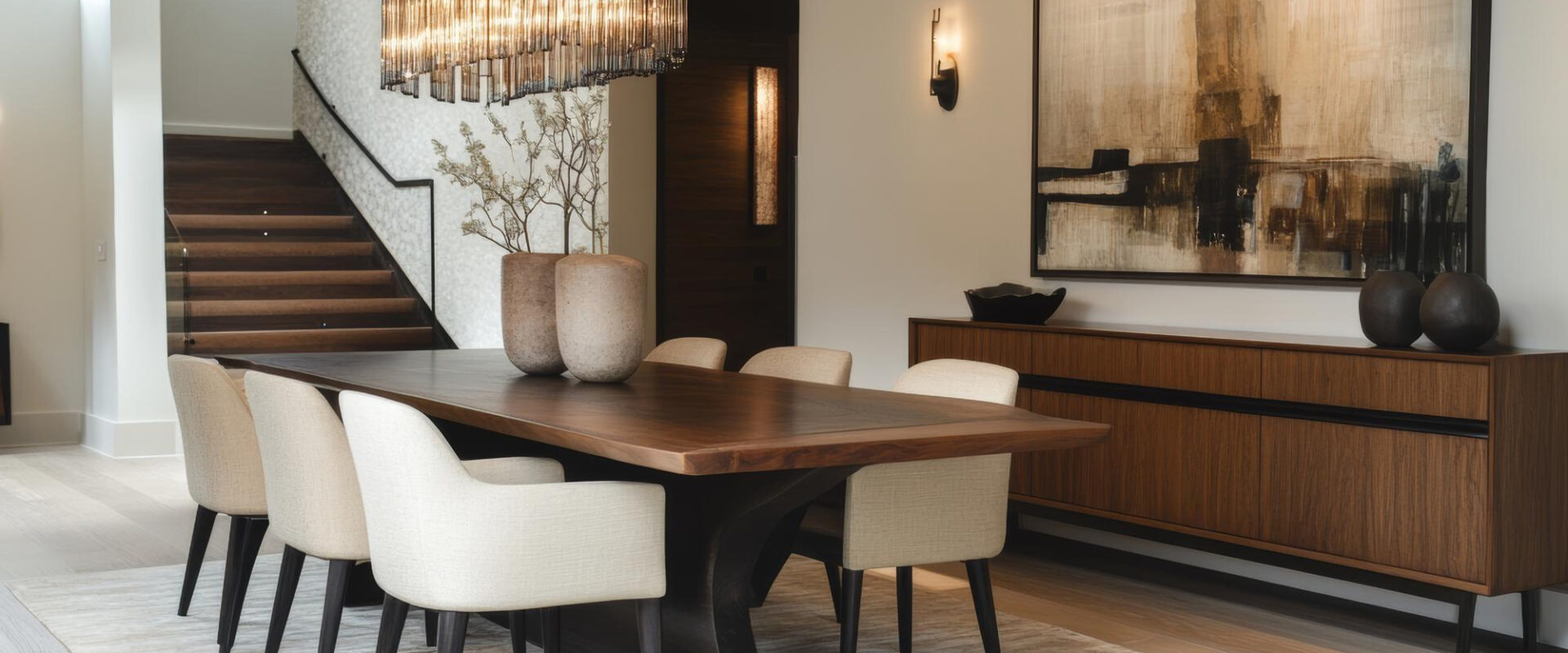
tables, chairs, desks and structural furnishing elements
sofas, armchairs and living-room furniture
sideboards, bedside tables and bedroom furniture
lighting fixtures that complete the interior design
new large household appliances, for example: fridges and freezers (energy class F or higher), washing machines, washer-dryers and dishwashers (class E or higher), ovens (class A or higher), etc.
These items are only eligible if they are purchased new and destined for the specific property unit where the incentivised works are being carried out. Buying used items or purely decorative accessories (such as curtains, rugs or artworks) does not give you access to the furniture tax deduction in Italy.
The maximum spending cap for the bonus mobili 2026 is €5,000 per property unit (including appurtenances), with a 50% IRPEF deduction to be spread over ten equal annual instalments.
Also remember that related ancillary costs can be included in the bonus calculation: for example, transport, delivery and assembly of the items, as long as these costs are also paid using the traceable methods required to access the furniture bonus in Italy (bank transfer, credit card or debit card).
This means that, in addition to the main item itself, the costs linked to delivering a sofa or installing a kitchen can also help increase the deductible amount, always within the overall €5,000 cap per unit.
Correct payments and documents to keep so you don’t lose the benefit
To make use of the bonus mobili 2026 in Italy, knowing what to buy is not enough: you also need to pay and document your expenses correctly. Italian tax rules require traceable payment methods, because only in this way can the Agenzia delle Entrate (Italian Revenue Agency) link your expenses to the purchases and to your tax return.
Here are the main criteria you must follow:
bank transfer (bonifico bancario or postale – even if not “parlante”)
credit card or debit card
payments via financing, as long as the finance company pays the supplier directly using traceable methods (in this case, the deduction is counted in the tax year in which the supplier receives the payment)
The following are not allowed:
cash
bank cheques
other non-traceable payment methods
In addition to making payments correctly, it is essential to keep all documentation proving that the expense is valid and linked to the renovation works. The main documents you should keep include:
invoices or “speaking” receipts (scontrini parlanti) describing the type, quantity and price of the goods purchased
proof of payment (bank transfer receipt, bank statement, electronic payment slip)
a copy of the tax return in which you claim the furniture tax deduction in Italy
In addition, if you buy appliances that require an energy label, make sure the invoice includes the relevant details (for example, class A for ovens, class E for washing machines, class F for fridges and freezers), as this may form part of the documentation requested by the Agenzia delle Entrate for the furniture bonus 2026.
A good practice is to create a dedicated digital folder for the bonus, so you always have the documents ready to attach to your Modello 730 or Redditi PF when you file your tax return. This helps you avoid surprises or disputes and allows you to recover up to €2,500 in deductions over time, without administrative stress.
Bonus mobili 2026 in Italy for foreign buyers and investors
Good news if you’re an international buyer: the bonus mobili 2026 in Italy isn’t reserved only for Italian citizens, but for IRPEF taxpayers, including foreign owners, who are entitled to the renovation tax deduction on an Italian property.
If you’re a foreign investor who has bought (or is buying) a home in Italy and you carry out eligible renovation works on that property, you may access the furniture bonus 2026 in Italy under the same rules as Italian owners, provided you have enough Italian tax liability to offset the deduction.
In practice, this means planning your works, purchases and payments so they meet the Agenzia delle Entrate requirements and then claiming the benefit in your Italian tax return — ideally with the support of a local tax advisor who can check that your residence status and income in Italy are fully aligned with the current rules.
Still have questions about the furniture bonus 2026 in Italy?
Let’s check together whether your renovation works and purchases really qualify for the tax relief.
Contact ImmoOne for clear, no-surprise advice.